A spot which is sore (scaly, itchy, bleeding, tender) and doesn’t heal within 6 weeks.

Winter often means less time in the sun, but it’s also an ideal time to think about your skin health. One of the simplest ways you can help detect skin cancer early—knowing when a spot deserves attention.
However, a new spot, particularly in adulthood, is always worth mentioning to your doctor.
They can also appear pink, skin-coloured or even have hair growing through them.
If it’s new, we’d rather take a look.
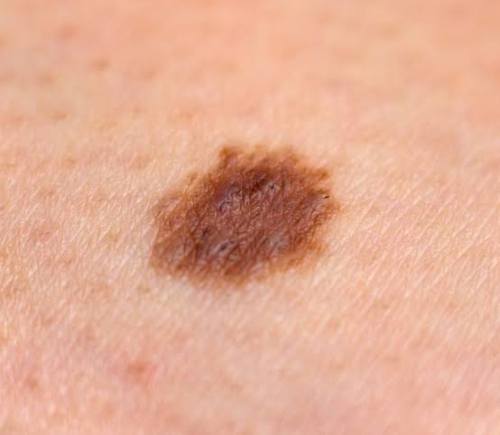
Any spot changing insize, shape, colour, thickness or border deserves attention.
Your phone can even help – looking back at older photos is often a simple way to see whether a spot has changed over time.
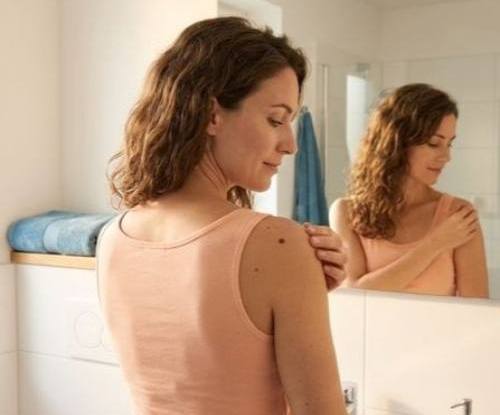
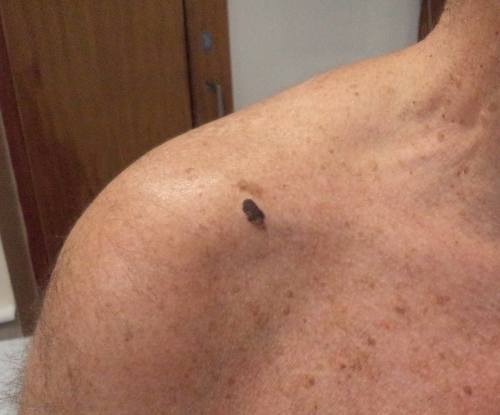
An “ugly duckling” is the one that simply looks different from all the others.
It doesn’t have to tick every box for skin cancer, it just stands out.
If one spot has always caught your attention, it’s worth having it checked.
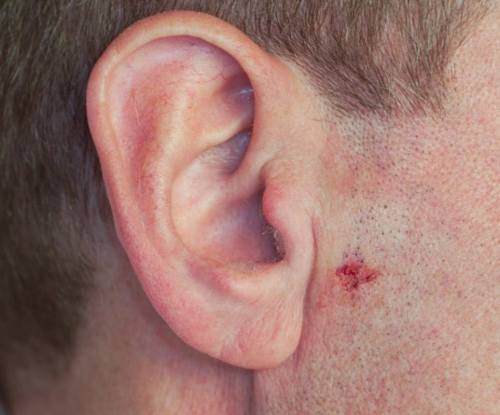
.If a spot continues to bleed, crust, scab, feel tender or returns repeatedly in the same place after several weeks, it deserves a professional assessment.
Many non-healing spots are harmless, but some of the most common skin cancers present this way.
The ABCDE Rule is a useful guide and one of several tools doctors use when assessing suspicious lesions.
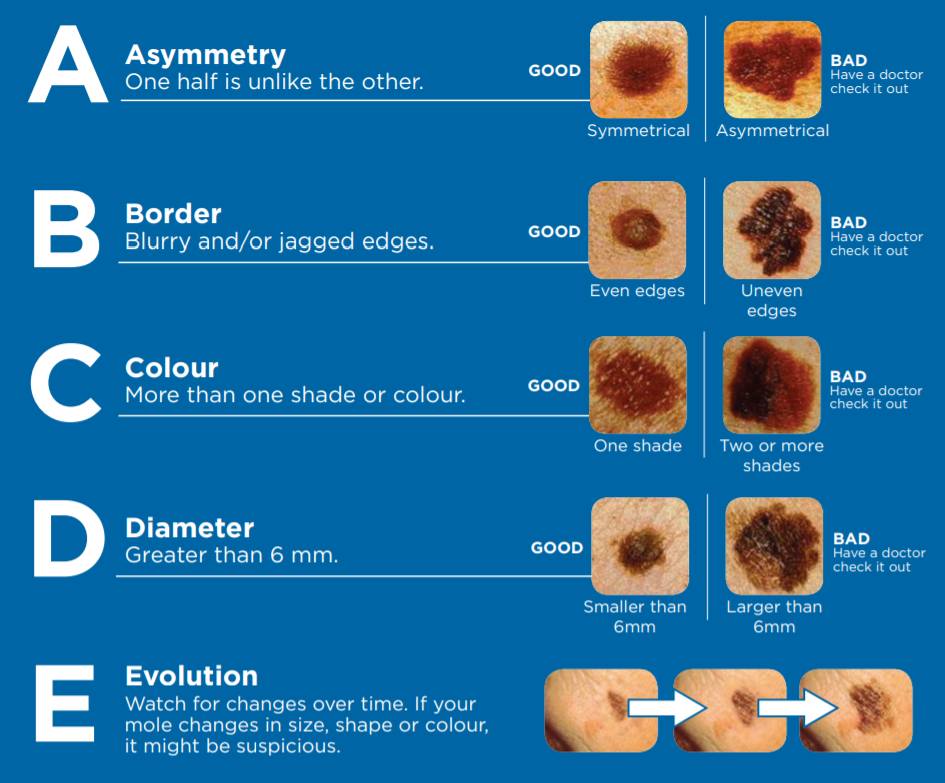
The four signs we have described above aren’t designed to replace the ABCDE rule. They’re simply a practical, easy way to decide whether a spot deserves a professional opinion.
Most spots that concern patients turn out to be harmless. That’s exactly what we hope to tell you. But if a spot is new, changing, different or won’t heal, we’d always rather see you than have you wondering.
You don’t need to know what it is—that’s our job.
A spot which is sore (scaly, itchy, bleeding, tender) and doesn’t heal within 6 weeks.
Changing in size, shape, colour or texture.
Looks different, feels different, or stands out when compared to your other spots and moles.
Has appeared on your skin recently. Any new moles or spots should be checked, especially if you are over 40.