
Sun protection is about UV, not heat.
Even on cool or cloudy days, UV can be high, so that’s why it’s important to be aware, informed and protect yourself appropriately.
Rule of thumb:
If the UV index is 3 or higher, you need sunscreen.
In Victoria, that’s most days from September to April. You can check today’s UV level wherever you are in the world with the SunSmart UV App.
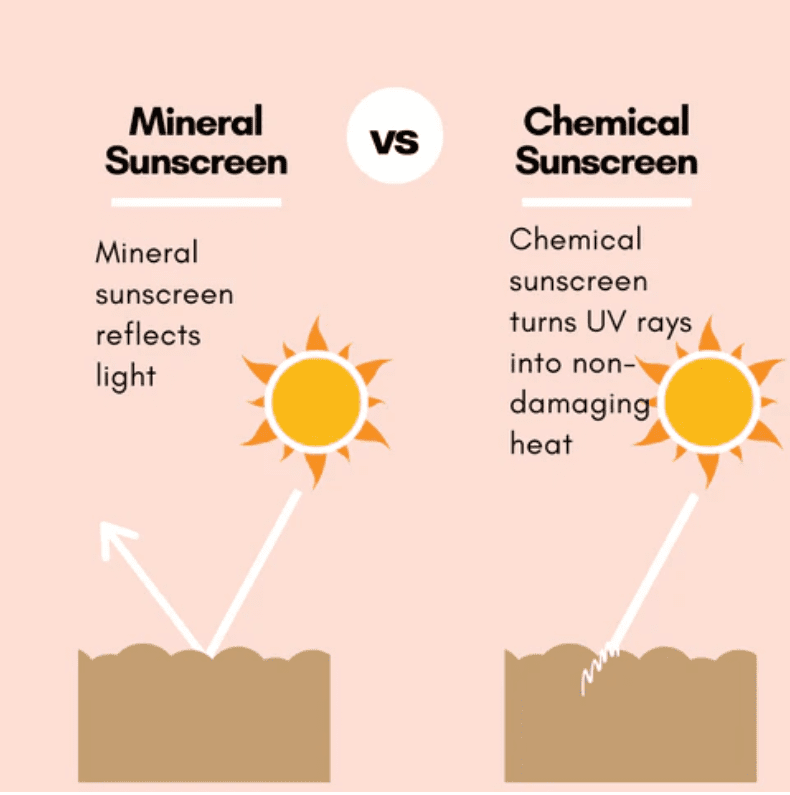
Use zinc oxide or titanium dioxide to sit on your skin and reflect UV away like a mirror.
Pros & Cons – Great for sensitive skin, works immediately, but can be thicker or leave a white cast.
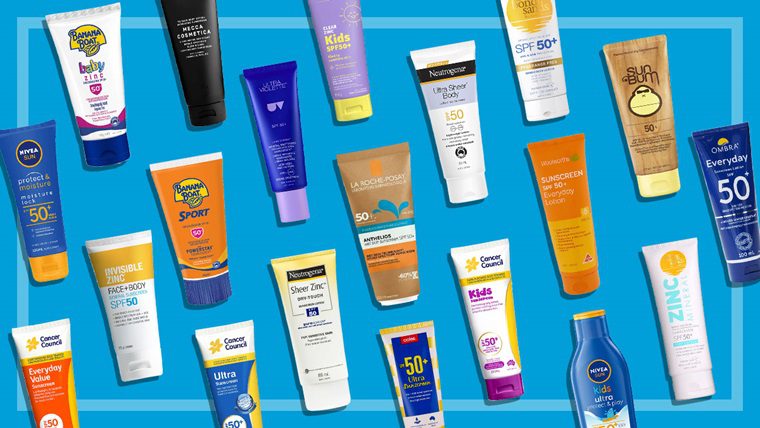
Examples – Invisible Zinc, Sunsense Sensitive, Ego Zinc Shade
Use chemical filters like avobenzone, octocrylene, or homosalate that absorb UV and turn it into harmless heat.
Pros & Cons – Lightweight, invisible, water-resistant, but can sting eyes or take 20 minutes to kick in.
Examples – La Roche-Posay Anthelios, Neutrogena Ultra Sheer, Nivea Sun Protect
That’s right — not all sunscreens are created equal…
Mineral Sunscreens often, but not always, have the word “mineral” on the label.
If in doubt, look at the “Active Ingredients” list on the bottle:
Useful sunscreen FAQ’s
Do I need sunscreen in winter – Yes, if UV is 3 or above.
How often should I reapply – Every 2 hours, and after swimming, sweating, or towel-drying.
How much should I apply – About a teaspoon per limb, front, back, and one for face/neck — 7 teaspoons in total.
Earlier this year, CHOICE tested popular sunscreens and found some didn’t meet their SPF claims.
Despite this, the article reinforces the importance of using sunscreen. Even if an SPF 50 performs closer to SPF 30, it still offers strong protection, with minimal clinical difference. Studies like the Nambour trial show SPF 15 can reduce some skin cancer risks by about 50%.
SPF testing can also vary between labs, so results aren’t always consistent.
Ultimately, any sunscreen is better than none—apply generously and combine with hats, clothing, and shade.
The famous Nambour Skin Cancer Prevention Trial in Queensland followed 1,600 adults for over 10 years.
People who used sunscreen every day had:
This was the first study in the world to show sunscreen doesn’t just stop sunburn — it actually prevents melanoma.
Bonus research findings:
.
Sunscreen isn’t just about avoiding sunburn. It prevents melanoma, cuts down precancerous spots, slows aging, and keeps your skin looking healthier for longer. Think of it as both your health shield and your best cosmetic tool.